
What to wear in Ninh Bình: Tam Cốc, Tràng An and Hang Múa by season
Ninh Bình is inland, flat and open to the sky. The boat gives you no shade and no shelter, Hang Múa is a stair climb, and between them you are on a bicycle. Dress for that, not for the beach.
The four things every season asks for
- A layer you can take off. Mornings on the water and the middle of the day can be ten degrees apart. Two thin layers beat one thick one all year round.
- Trousers or shorts that stretch and dry fast. Steps, bike saddles, boat benches. Jeans are the wrong answer in every month.
- Closed shoes with grip for Hang Múa and the temple paths; sandals for the rest.
- A hat. Sun in summer, drizzle in winter — the same hat.
October – November: the easy months
Dry, clear and mild: roughly 20–28 °C by day, cooler at dawn and after dark. A t-shirt plus a light windbreaker or overshirt covers it; long trousers are comfortable on the bike and keep the mosquitoes off at dinner. This is the season the rice around Tam Cốc is harvested in early October, and the light is at its best.
December – February: bring the fleece
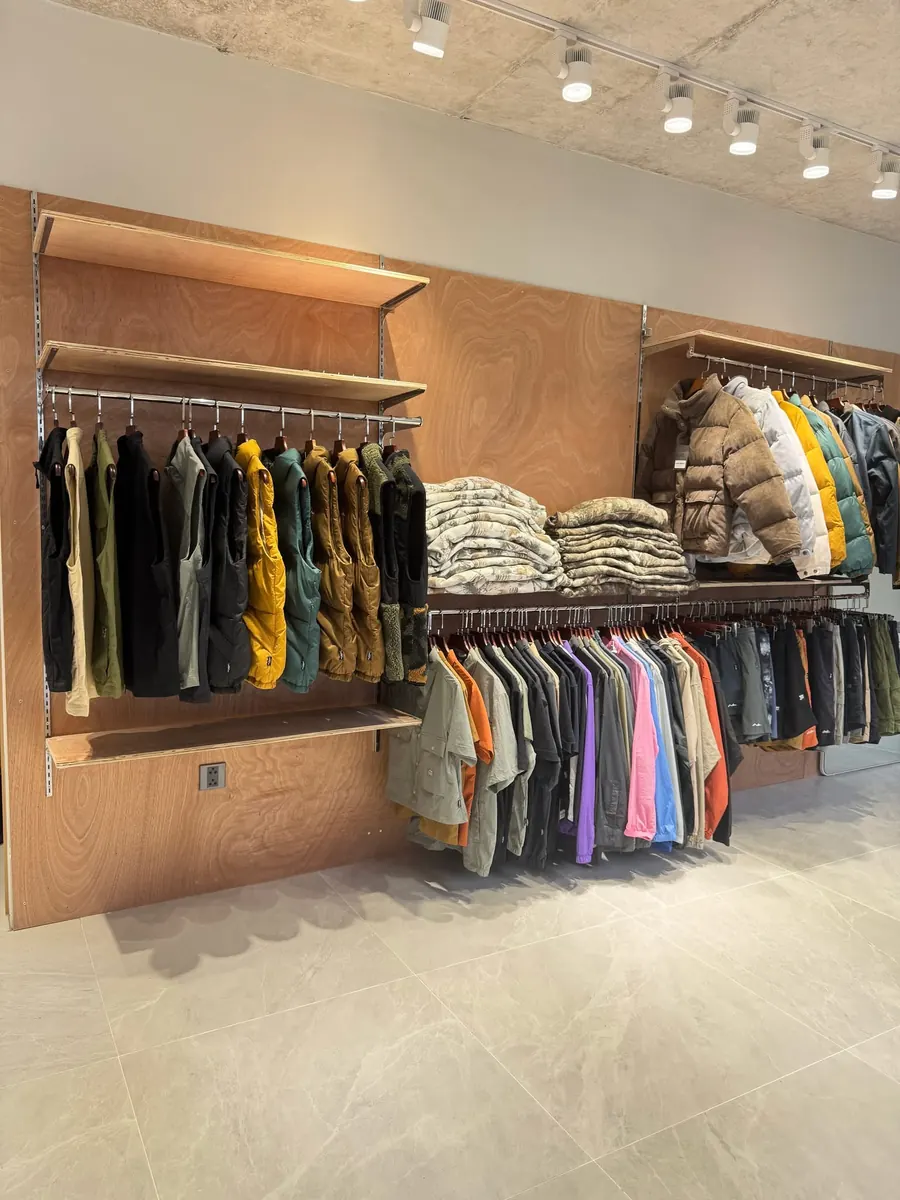
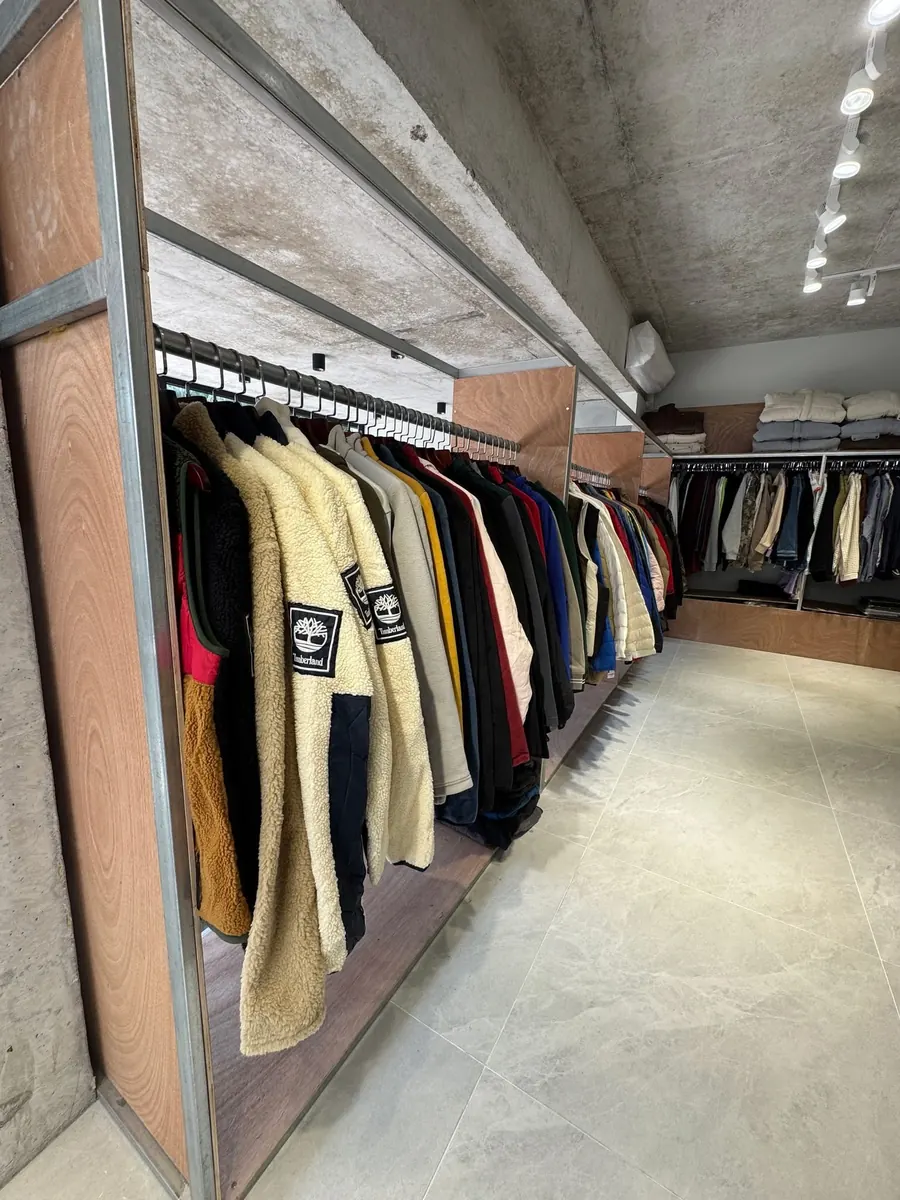
Northern Vietnam has a real winter. Days sit around 12–18 °C with damp, grey air, and cold spells drop below 10 °C; the river at seven in the morning feels colder than any number suggests. Wear a warm mid-layer (fleece or a light puffer), a windproof outer layer, long trousers and socks. Gloves and a beanie are not excessive on the boat. Most visitors who arrive from the south or from Southeast Asia buy at least one warm layer here — see what the Tam Cốc store has in stock.
March – April: changeable
Warming up, often misty, with the first humid days. Keep the windbreaker for the mornings and switch to lighter layers by noon. Rain is light but frequent; a packable shell earns its space.
May – September: heat, sun and showers
Hot (30–36 °C) and humid, with heavy afternoon showers, especially July to September. Sun on the river is fierce: a long-sleeved UV top, a wide hat and sunglasses are more comfortable than bare skin by mid-morning. Quick-drying shorts or thin trousers, a packable rain shell for the bike, and a dry t-shirt in the bag for after the Hang Múa climb. Evenings are warm — nothing extra needed.

Site by site
- Tam Cốc / Tràng An boat trip (1.5–3 hours, no shade): hat, sun top or warm layer depending on the month, something to sit on if you feel the cold. Leave the umbrella — it blocks everyone's view.
- Hang Múa (about 500 steps): closed shoes, stretch trousers or shorts, water. Go early or late in summer.
- Bái Đính and Bích Động pagodas: shoulders and knees covered inside the temples — a light long-sleeved top and long trousers do double duty as sun cover.
- Cúc Phương forest: long trousers, closed shoes, insect repellent; a light rain layer in the wet months.
If you packed wrong
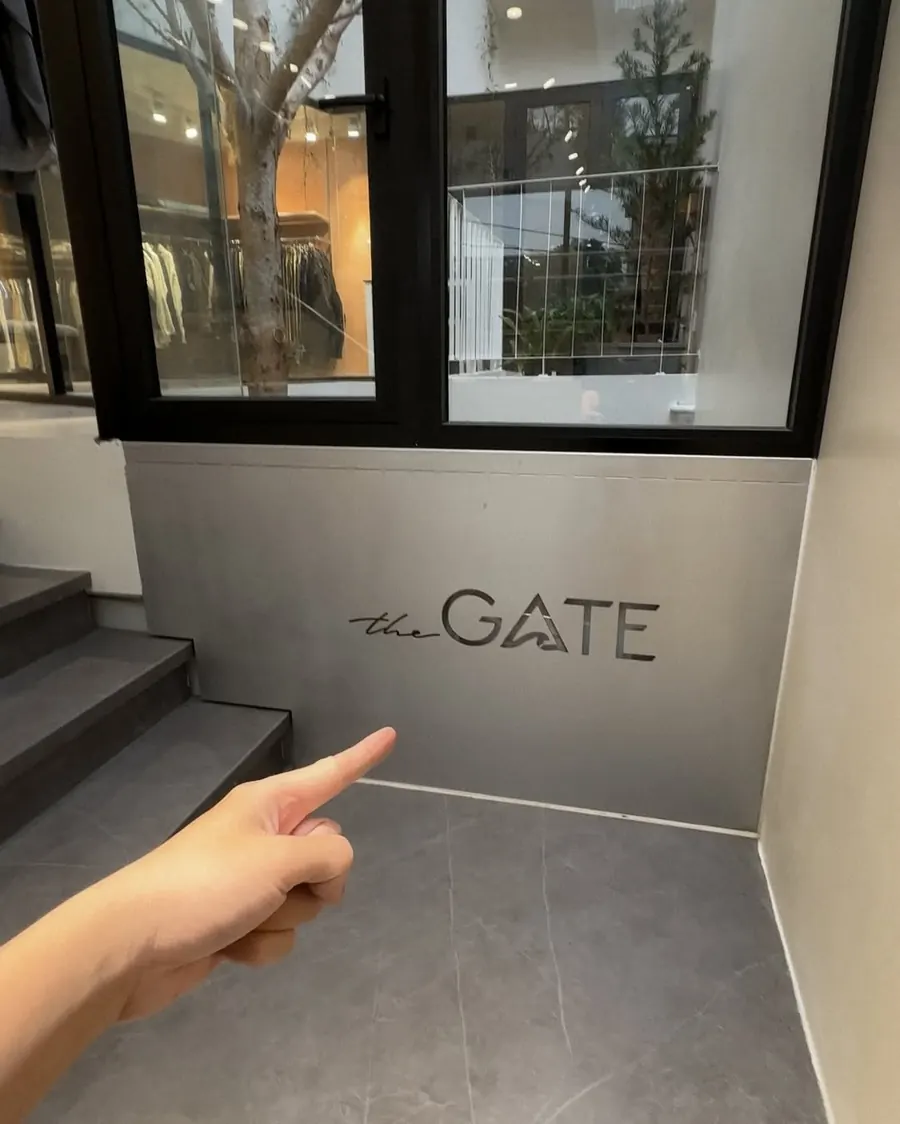
You are not the first. The Gate Tam Cốc stocks export-surplus jackets, fleece, vests, trekking trousers, hats and socks at fixed prices — clothing made in Vietnam for international outdoor brands, sold from the surplus of those runs. The store is on the main road into Tam Cốc, open every day; the store page lists what is in stock and has the map, phone and Zalo. The shopping guide covers everything else worth buying here.
Quick answers
Cooler than most visitors expect. From December to February daytime is often 12–18 °C with damp air, and cold spells push it lower; dawn on the river feels colder still. Bring, or buy, a fleece and a windproof layer.
Anything with grip and a closed toe. The stone steps are uneven and wet after rain; sandals are the most common regret at the top.
From May to September, yes — showers are short but heavy. A packable shell beats a poncho once you are off the boat and on a bicycle.
Yes. The Gate Tam Cốc sells export-surplus jackets, fleece, trousers and accessories at fixed prices, on the main road into Tam Cốc; the store page shows what is in stock today.